“Take a deep breath, get some oxygen.” We've all heard it.
But the truth is the air in a forest holds almost exactly the same oxygen as the air on a city street. If oxygen were the magic, an oxygen tank at the gym would do it. It doesn't. So what is the forest actually giving you?
The trees are at war.
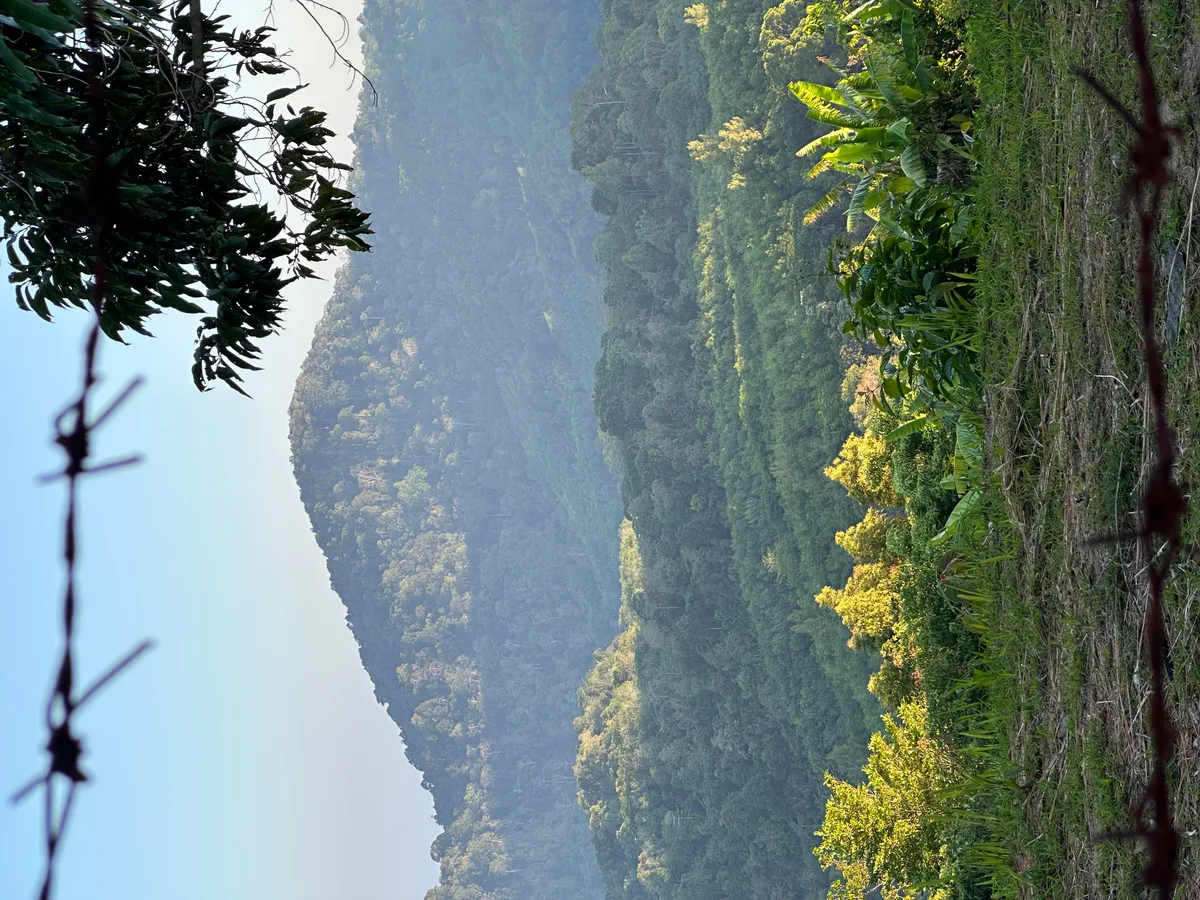
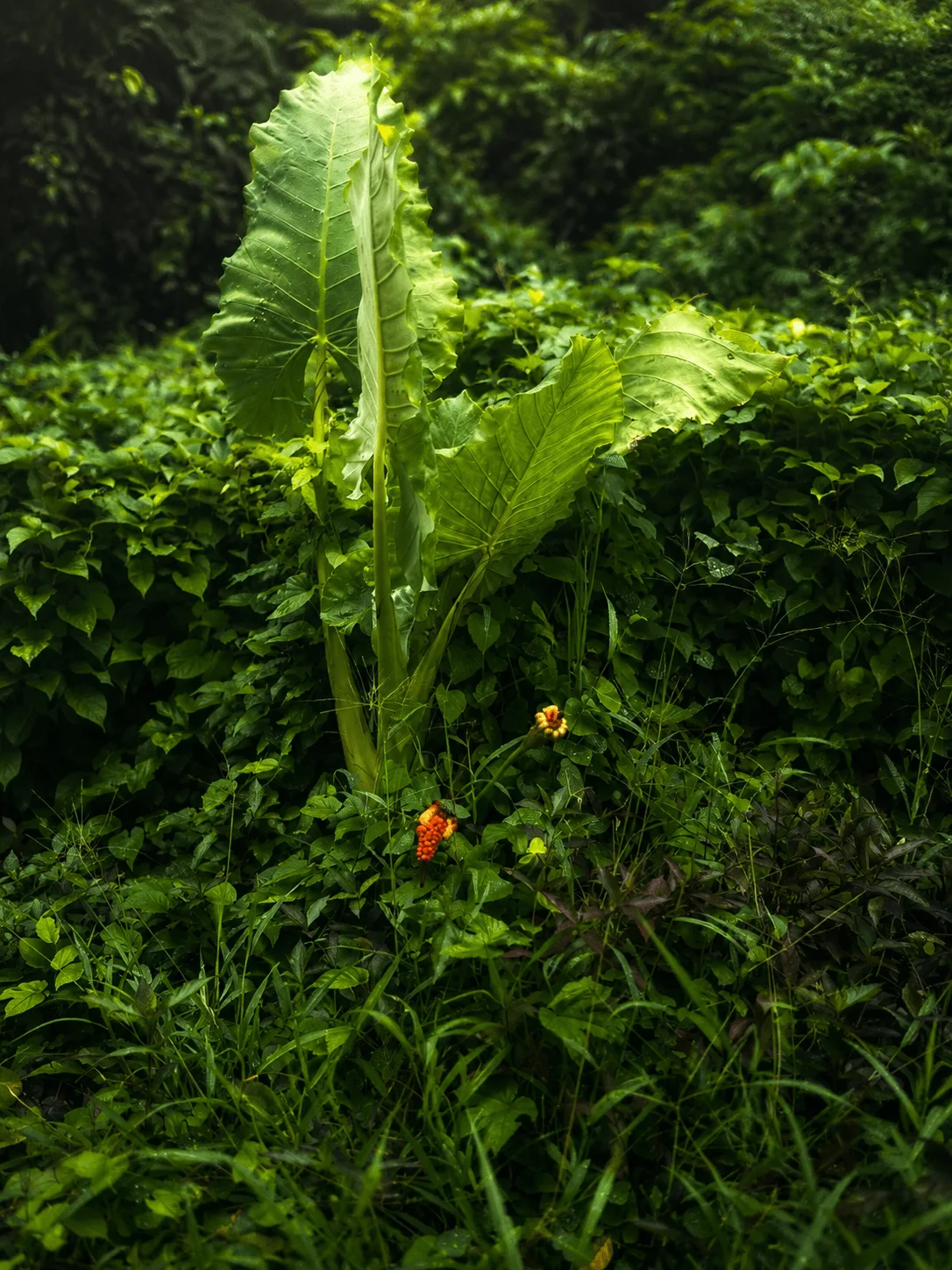
Every tree and plant around you is constantly defending itself against bacteria, fungi, and insects. The way it fights back is by releasing invisible chemical compounds into the air. They're called phytoncides. The forest is, quite literally, a cloud of the trees' own immune system.
And here's the beautiful part: when you breathe that air, your body borrows their defenses. You inhale the forest's immune system — and your own switches on.
“You inhale the forest's immune system — and your own switches on.”
This isn't poetry — it's measured.
Research on forest bathing suggests links with relaxation and wellbeing. Studies vary in size and methods, and individual experiences differ.
the white blood cells that hunt viruses and rogue cells
stays elevated after a single forest trip
measurable drop in your primary stress hormone
One walk. Roughly a month of immune upgrade. Blood pressure and heart rate settle too. The Japanese named it shinrin-yoku — “forest bathing” — and doctors there now prescribe it.
The air feels alive — and it is.
There's a second gift, strongest near moving water: a waterfall, a stream, the rain. That air is thick with negative ions. A closed city room might hold a few hundred per cubic centimeter. A forest waterfall can carry up to 100,000.
People say “the air feels alive.” It's not in your head — you're breathing charged air, and your nervous system feels it.