What It Is
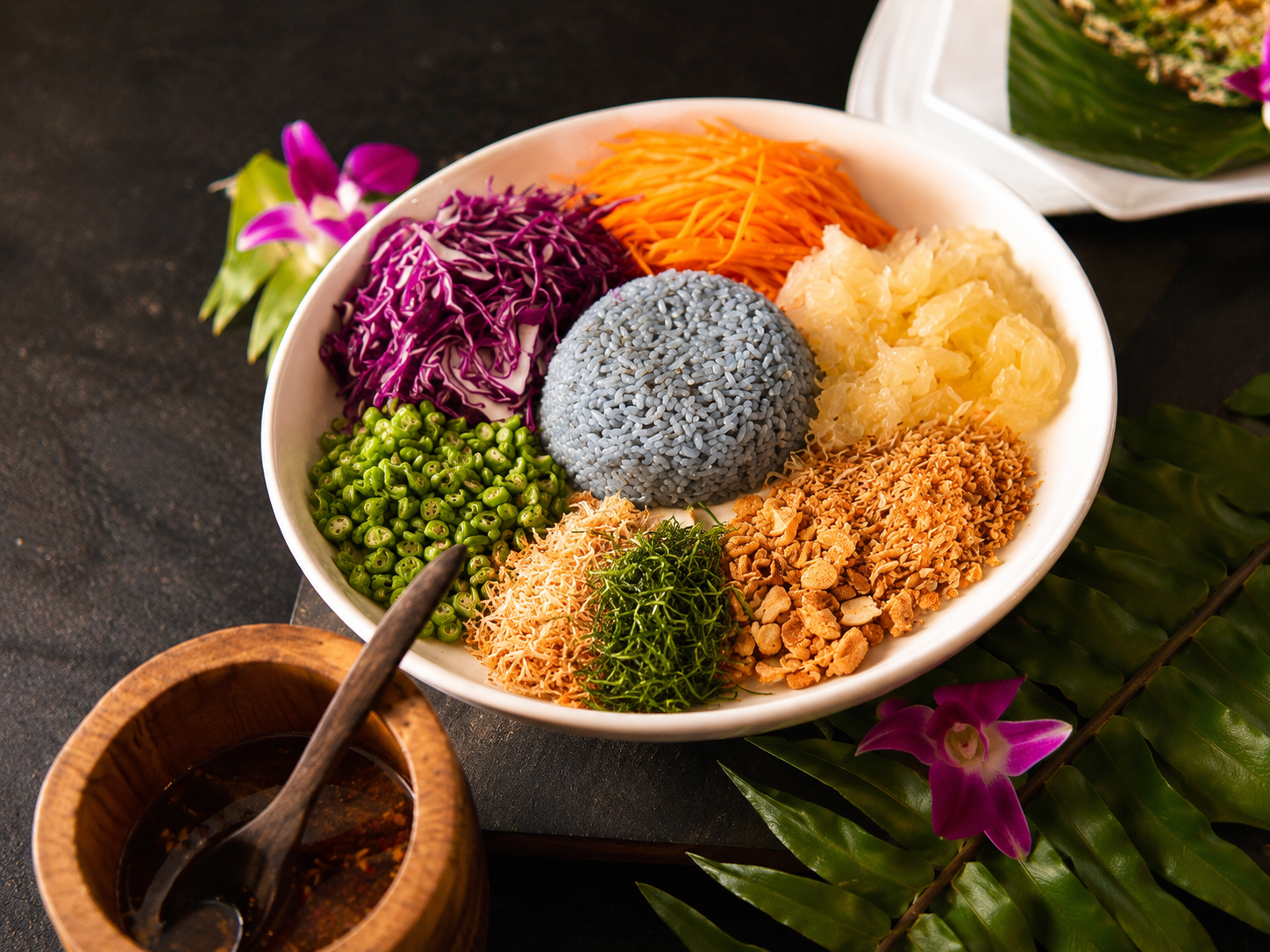
Before there were restaurants, before there were recipes, there was a pot of grain. Rice in Asia, sorghum and millet across Africa, barley in the old Middle East, quinoa and amaranth high in the Andes. Almost every culture that has lasted built its day around a simple bowl of cooked grain. It was breakfast, it was medicine, it was what you ate when there was nothing else. Somewhere along the way the staple got stripped back to one thing, white rice, polished until most of the plant was gone. The Ancient Grain Bowl puts the wisdom back. It is not a single grain. It is a collected mosaic of them, the ones our ancestors prized and named. Forbidden rice, so dark with antioxidants that old China reserved it for the emperor. Quinoa, called the mother of all grains by the Inca. Amaranth, an Aztec staple used in ceremony. Teff from the Ethiopian highlands, the smallest grain on earth and one of the richest. Millet and sorghum, the drought survivors. And the skinless Indian dals that Ayurveda has leaned on for gentle, grounding protein for centuries. One bowl, many civilizations. That is the heritage on the plate.
The Recode
The technology here is diversity, and a little chemistry. We trade one refined grain for a curated blend of whole ancient ones. The dark colors are the point. Those blacks, purples, and reds are visible proof of polyphenols and anthocyanins, the compounds that calm inflammation and protect the cell. Where most bowls give you starch, this one gives you starch plus minerals, plus fiber for the gut, plus a complete protein from the pulses.
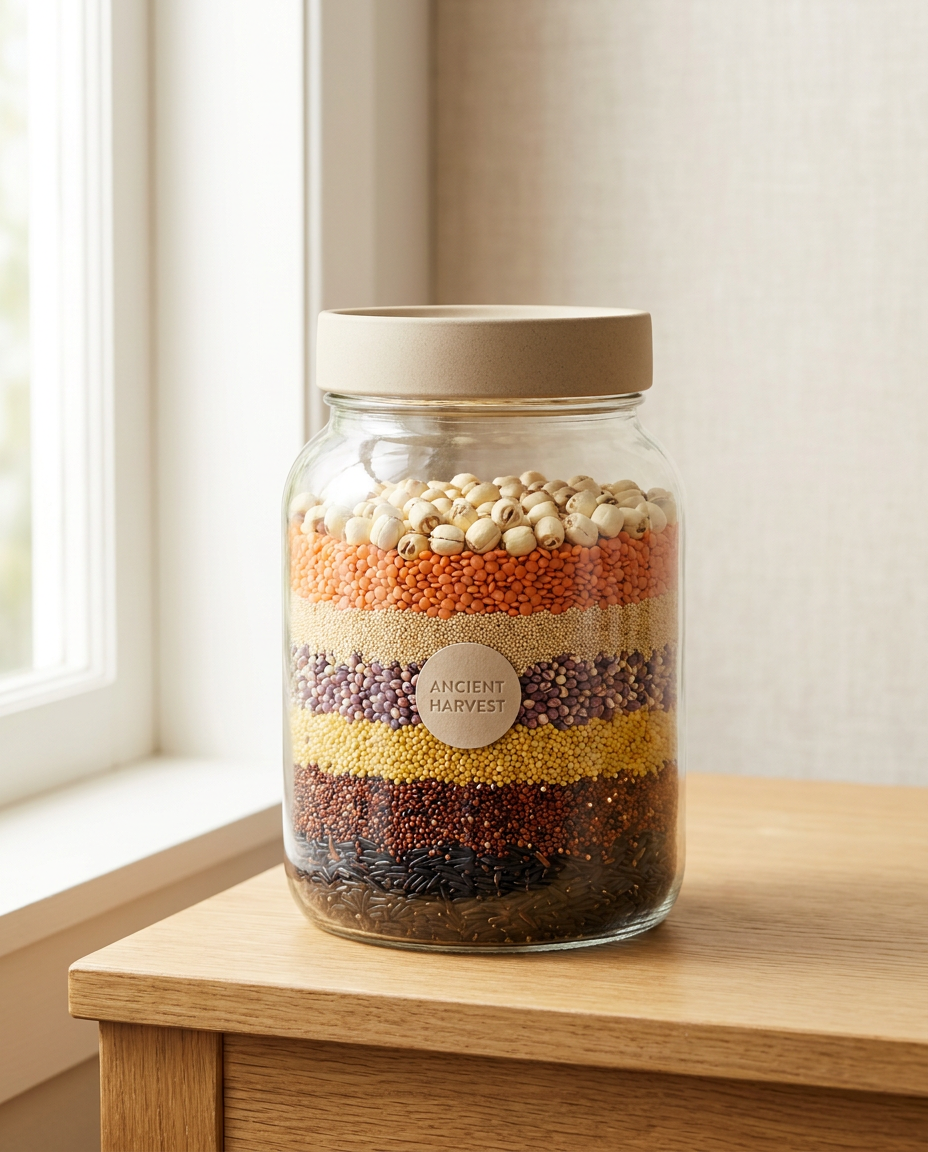
The practical idea is to become a collector. Pick up one new ancient grain when you see it, a bag of red quinoa here, some millet there. Keep them mixed together in one big glass jar on the counter, so a healthy scoop is always within reach. If you are missing a grain, it does not matter. Use another. The magic is in the mix, not in any single ingredient.
Three things happen in this bowl that the body reads as youth.
Your gut gets fed: when you cook the grains and cool them overnight, some of the starch becomes resistant starch, food your own cells cannot break down but your gut bacteria love. They turn it into butyrate, a compound that calms inflammation and helps keep the gut lining sealed and strong.
The color does the protecting: the deep blacks, purples, and reds in ancient grains are polyphenols and anthocyanins, antioxidants that soak up the daily wear that ages cells.
The bowl stays steady: whole grains and skinless pulses release their energy slowly, so blood sugar stays even instead of spiking, which means less glycation, the slow stiffening of skin and tissue that comes with years of spikes. Add the magnesium and zinc these grains carry, both needed for your body's own DNA repair, and every bowl becomes quiet maintenance for the cell.
None of this is a quick fix. It is the opposite, a small habit that compounds. Eat this way most days, and you hand your body the raw materials it uses to hold the line against time.
Ingredients, serves 4
The jar, your master blend, built over time
- -3 to 5 ancient grains such as black forbidden rice, red or black quinoa, millet, sorghum, buckwheat, wild rice, amaranth, teff, or hulled barley
- -1 to 2 skinless pulses such as moong dal, red lentils, or chana dal
- -Optional: a few dried lotus seeds or tiger nuts
To cook one bowl
- -1 cup of your grain blend
- -About 2 cups water or light vegetable broth
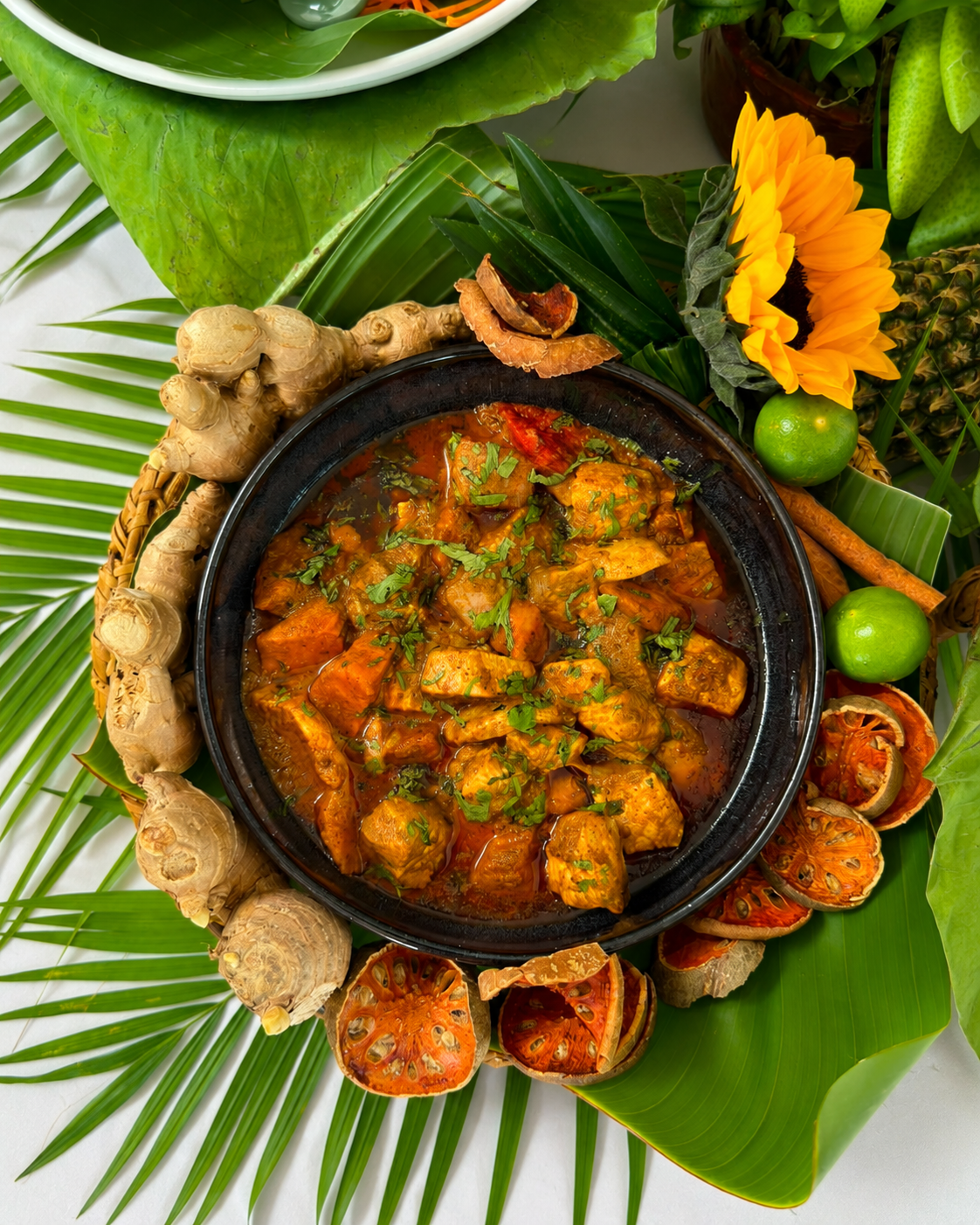
- -A few slices fresh turmeric, crushed ginger, a smashed coriander root
- -A little lotus root or diced green plantain, if you have it
- -Sea salt to taste
The crunch, stirred in raw at the end
- -Pumpkin seeds, black sesame, hemp hearts, sunflower or watermelon seeds
- -A little ground flax over the top
Method
- 01Build your jar. Collect ancient grains over time and keep them mixed in one large glass jar, so a scoop is always ready.
- 02Scoop and add. One cup of the blend into the rice cooker, with roughly two cups of water or broth.
- 03Drop in the cook-ins. Turmeric, ginger, and coriander root for a deep base, plus lotus root or green plantain for body. Salt lightly, close the lid, and cook.
- 04Cook and cool. For the full longevity effect, make a big batch and chill it overnight. This is the step that turns ordinary starch into gut-feeding resistant starch.
- 05Stir in the crunch. Just before eating, fold in a generous pinch of raw seeds. Never cook them. Their raw oils are the medicine.
- 06Serve three ways. Loose and brothy like a congee, firm as a savory bowl with lime and fresh herbs, or warm in the morning with fruit and a thread of honey.
Keep it ready
Store in the fridge up to five days, or freeze in single portions, so you can drop one frozen block straight into a bowl or the cooker on a busy day.
Recoded recipes are for inspiration and general wellness. Individual dietary needs vary — please consult a qualified nutrition professional if you have specific health conditions or dietary requirements.